
Comparison of 80, 120, 160 and 240 TPH Asphalt Plants | Choosing the Right Capacity
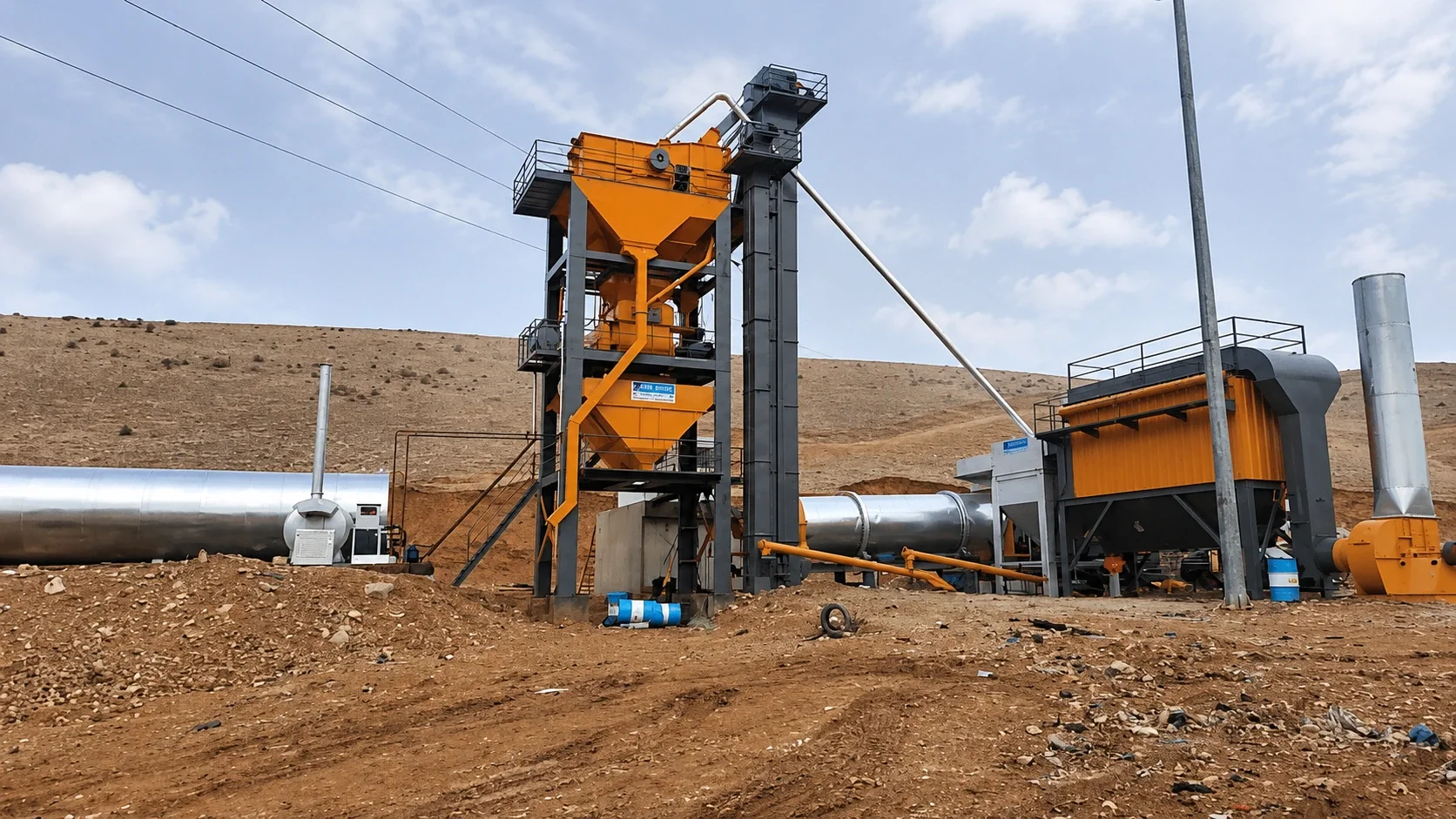
Comparison of 80, 120, 160, and 240 TPH Asphalt Plants | Which Capacity Is Right for Your Project?
Choosing the Right Asphalt Plant Capacity
Selecting the right asphalt plant capacity is one of the most important decisions for contractors and construction companies. The production capacity directly affects project efficiency, fuel consumption, operating costs, and overall productivity.
In this article, we compare the most common asphalt plant capacities to help you determine which one best suits your project requirements.
80 TPH Asphalt Plant
An 80 TPH asphalt plant is ideal for small and medium-sized projects such as municipal roads, rural roads, and local infrastructure works where asphalt demand is relatively low.
Advantages
Lower initial investment
Reduced fuel consumption
Compact installation area
Cost-effective maintenance
Recommended for
Municipalities
Rural road projects
Small and medium contractors
120 TPH Asphalt Plant
The 120 TPH asphalt plant is the most widely used capacity in road construction projects. It offers an excellent balance between production capacity, operational costs, and efficiency.
Advantages
Suitable for most construction projects
High production efficiency
Stable and reliable performance
Cost-effective operation
Recommended for
Urban road construction
Highway projects
Road construction companies
Medium and large contractors
160 TPH Asphalt Plant
A 160 TPH asphalt plant is designed for projects requiring continuous production and higher output.
Advantages
Increased production capacity
Faster project completion
Ideal for large-scale infrastructure projects
Recommended for
Expressways
Airports
National infrastructure projects
240 TPH Asphalt Plant
The 240 TPH asphalt plant is designed for high-volume asphalt production and large industrial applications.
Advantages
Maximum production capacity
Continuous high-volume operation
Lower production cost per ton
Excellent productivity for major projects
Recommended for
Large infrastructure developments
National highway construction
International construction projects
Capacity Comparison
Capacity
Recommended Applications
Production Level
80 TPH
Small municipal projects
Medium
120 TPH
General road construction
High
160 TPH
Large infrastructure projects
Very High
240 TPH
Mega projects & industrial production
Maximum
How to Choose the Right Capacity
Several factors should be considered when selecting an asphalt plant:
Project size
Required daily production
Project schedule
Available installation space
Investment budget
Operating and maintenance costs
Choosing the appropriate capacity improves productivity while reducing long-term operating expenses.
Why Choose Pars Badie?
With more than half a century of experience, Pars Badie Machinery designs, manufactures, installs, and commissions fully automatic asphalt plants with capacities ranging from 80 to 240 TPH.
Our plants are built using high-quality components, advanced engineering, and modern manufacturing technologies. Every asphalt plant is backed by professional installation, a one-year warranty, and ten years of after-sales service, ensuring reliable performance and long-term customer satisfaction.
Conclusion
Each asphalt plant capacity is designed to meet different project requirements. While an 80 TPH plant is suitable for smaller construction projects, 120, 160, and 240 TPH plants provide greater productivity for larger infrastructure developments.
If you are planning to invest in a new asphalt plant, the experts at Pars Badie Machinery are ready to help you select the most suitable solution based on your production needs and project requirements.