How Does a Concrete Batching Plant Weighing System Work?
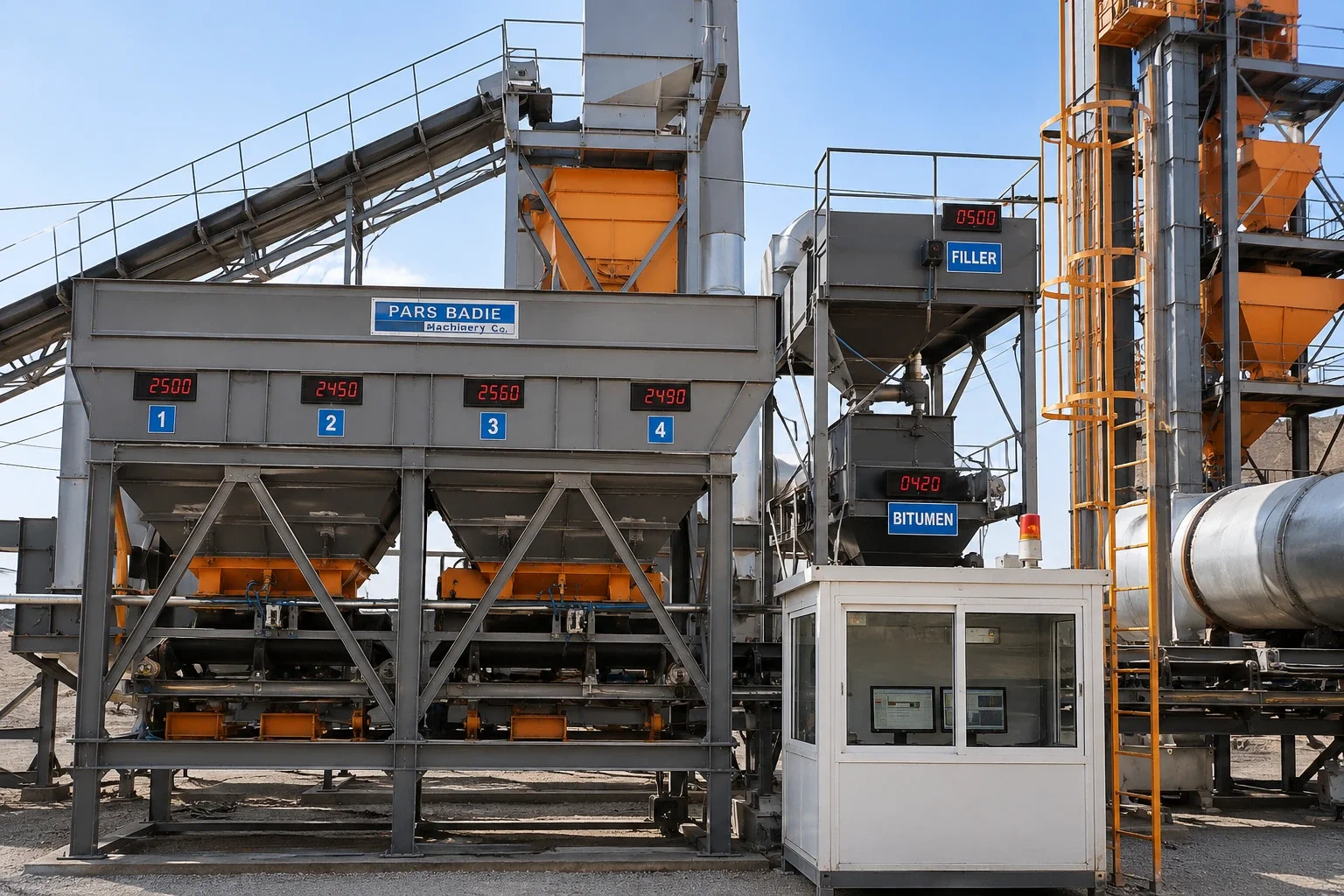
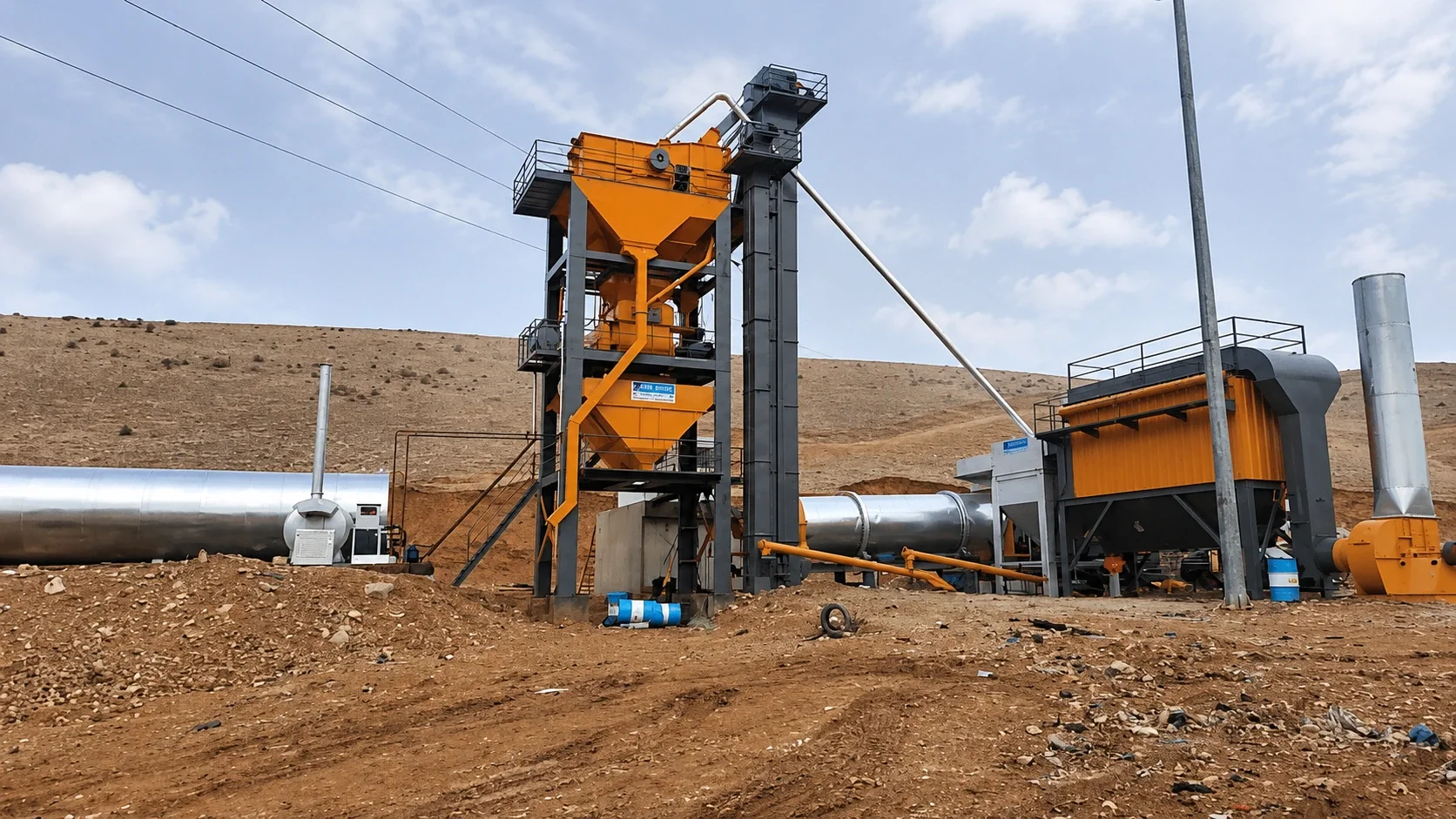
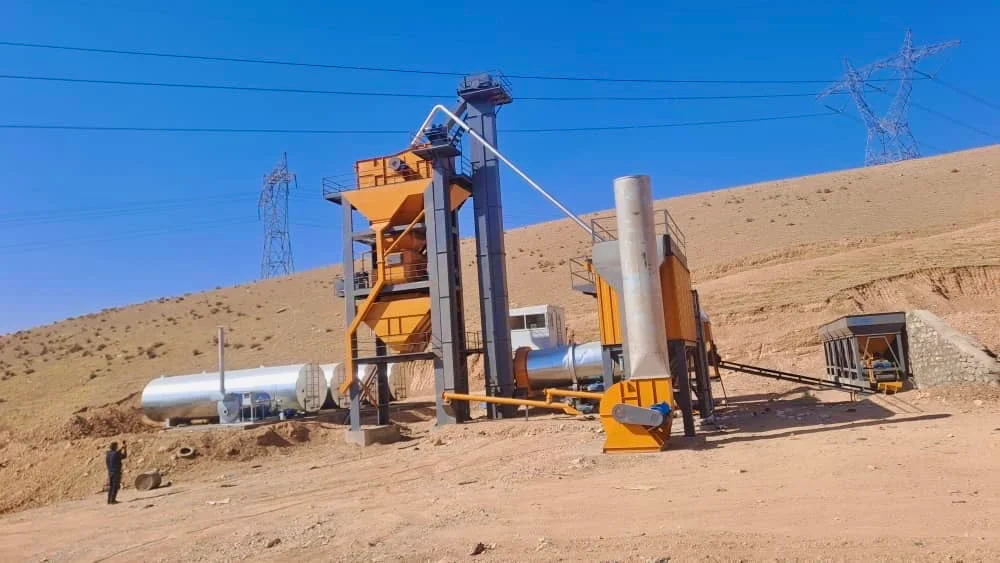
How Does a Concrete Batching Plant Weighing System Work? Introduction Accurate measurement of raw materials is one of the most important factors in producing high-quality concrete. In a concrete batching plant, the weighing system measures specific amounts of aggregates, cement, water, and, when required, admixtures according to the selected mix design. A properly functioning weighing system not only contributes to consistent concrete quality but also helps reduce material waste and improve production control. What Is a Batching Plant Weighing System? A batching plant weighing system is a combination of mechanical, electrical, and control equipment designed to accurately measure the raw materials used in concrete production. The system generally includes weighing hoppers, load cells, material transfer equipment, and a control system. Each material is measured according to the required quantity before being transferred to the mixer. This process ensures that the materials enter the mixing stage in the required proportions. Main Components of a Weighing System The main components of a concrete batching plant weighing system include: * Load Cells: Used to measure the weight of materials * Weighing Hoppers: Used to receive and temporarily hold materials * Discharge Gates: Used to release materials after weighing * Material Transfer Equipment: Used to deliver materials to the weighing section * PLC and Control System: Used to manage the weighing process * Power and Control Panel: Used to control electrical equipment and system operation Proper coordination between these components allows the weighing process to be performed accurately and efficiently. How Are Aggregates Weighed? Aggregates such as sand and gravel are transferred from the aggregate bins to the weighing system. The required quantity of each aggregate is determined according to the concrete mix design. Load cells installed beneath the weighing hopper continuously measure the material weight and send the information to the control system. Once the required weight is reached, the corresponding gate closes and the weighing process is completed. The weighed aggregates are then transferred to the mixer, where they are combined with cement, water, and other required materials. How Is Cement Weighed? Cement is generally transferred from the cement silo to a dedicated weighing hopper. The control system determines the required cement quantity according to the selected mix design. The load cells continuously monitor the weight of the cement inside the hopper. Once the target weight is reached, the cement feeding process stops and the cement is ready to be discharged into the mixer. Weighing Water and Admixtures Water must also be added to the concrete mixture in a controlled quantity. In a batching plant, water is measured using a dedicated weighing or metering system before being transferred to the mixer. When concrete admixtures are used, their required quantities are also determined according to the mix design and controlled during the production process. Accurate control of these materials is important because changes in the water-to-cement ratio and other material proportions can affect the properties of the final concrete. The Role of PLC and the Control System The PLC and control system are important parts of an automated batching plant weighing process. Information received from the load cells is processed by the control system, which manages the operation of the equipment according to the required quantities. The operator can monitor and control the weighing and production process through the control panel. A suitable control system helps reduce human error, improve weighing accuracy, and provide greater consistency throughout concrete production. Why Is Weighing Accuracy Important? Concrete mix designs are based on specific proportions of raw materials. Therefore, adding too much or too little of any material can change the final composition of the concrete. An accurate weighing system can help provide: * Consistent concrete production * Better quality control * Reduced material waste * Improved production repeatability * Fewer manual measurement errors * Better control over the production process For this reason, the weighing system is considered one of the essential sections of a modern concrete batching plant. Common Weighing System Problems Several factors can affect weighing accuracy. Damaged or improperly calibrated load cells, material buildup around the weighing hopper, problems with discharge gates or transfer equipment, and incorrect control-system settings can all cause weighing errors. Regular inspection, load-cell checks, proper calibration, and appropriate maintenance can help maintain weighing accuracy and reduce unexpected downtime. Pars Badie Batching Plant Weighing System Pars Badie batching plant weighing systems are designed to accurately measure and control raw materials and coordinate the weighing process with the automated production system. By using suitable weighing and control equipment, the system allows the different stages of material weighing and transfer to the mixer to be properly managed. The correct design of the weighing system, together with the power and control panel and automated control system, plays an important role in the reliable and organized operation of a concrete batching plant. Conclusion The weighing system is one of the most important components of a concrete batching plant, responsible for accurately measuring raw materials before the mixing process. Load cells, weighing hoppers, discharge gates, and the control system work together to measure and transfer materials according to the required mix design. An accurate and properly maintained weighing system helps improve concrete consistency, reduce material waste, and provide better control over production. Therefore, selecting and designing a suitable weighing system is an important factor in achieving reliable batching plant performance.
Read more