
What is an asphalt plant dryer and what is its role in asphalt production?
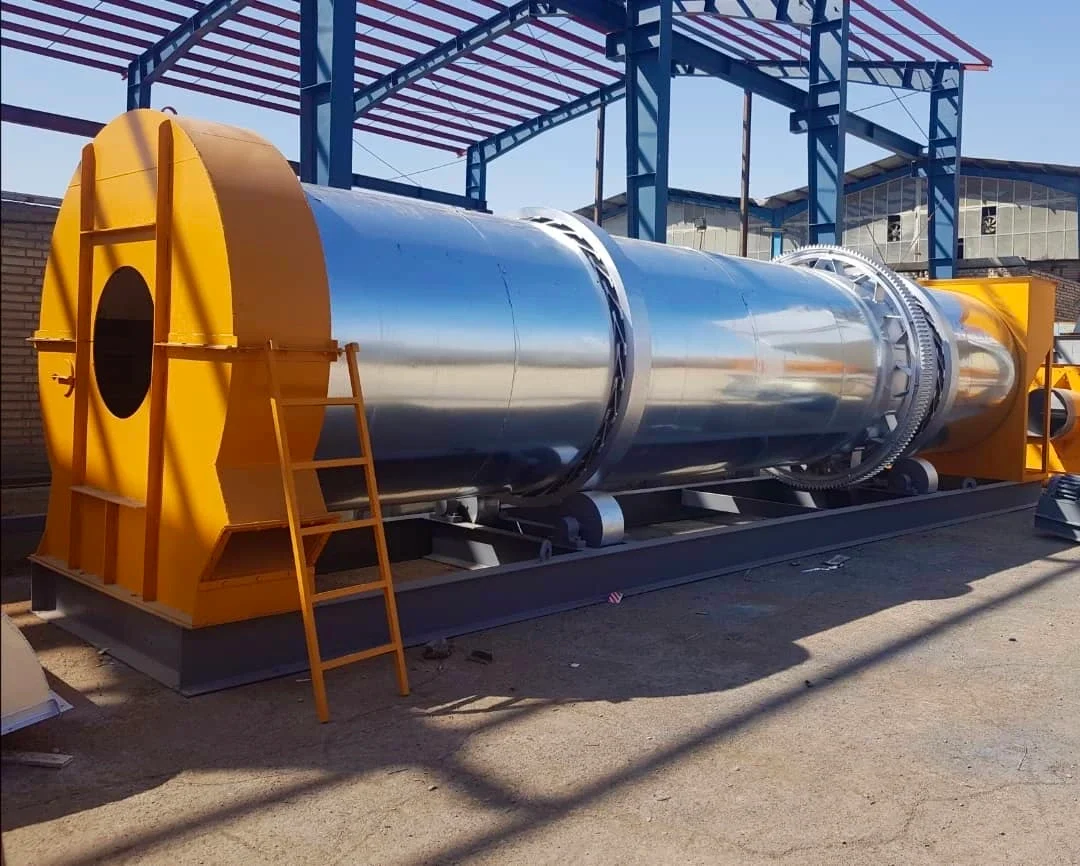
What Is Its Role in Asphalt Production?
Introduction
The dryer is one of the most important components of an asphalt plant. Its main function is to dry and heat aggregates before they enter the next stages of the production process. Proper drying and heating are essential for maintaining suitable production conditions and producing high-quality asphalt. (WV DOT)
How Does an Asphalt Plant Dryer Work?
An asphalt plant dryer generally consists of a rotating cylindrical drum through which aggregates pass. As the drum rotates, internal flights lift and cascade the aggregates through the hot gas stream. This process removes moisture from the aggregates while increasing their temperature. (FAA)
The heat required for the drying process is supplied by the burner. The hot airflow transfers heat to the aggregates, making proper coordination between the dryer, burner, and exhaust system essential for efficient operation.
Main Components of a Dryer
The main components of an asphalt plant dryer include:
Rotating cylindrical drum
Internal flights
Drive system and motor
Burner
Aggregate inlet and discharge sections
Thermal insulation
Exhaust and airflow system
Proper design of these components allows the aggregates to be exposed to heat more effectively and supports uniform drying and heating.
The Importance of the Burner
The burner is the main source of heat for drying and heating the aggregates. Proper burner adjustment and temperature control can help optimize energy use and maintain suitable production conditions. Aggregate drying and heating are among the significant energy-consuming processes in an asphalt plant. (NAPA Microsite)
For this reason, selecting a burner that matches the dryer capacity and operating conditions is important.
The Role of Internal Flights
The flights installed inside the dryer lift and distribute the aggregates through the hot gas stream. This increases the contact between the aggregates and hot gases, helping improve heat transfer and achieve more uniform drying. (WV DOT)
The Effect of Aggregate Moisture
Aggregates normally contain a certain amount of moisture, which must be removed during the drying process. Higher aggregate moisture requires more energy for drying and can affect fuel consumption and the thermal performance of the plant. (NAPA Microsite)
Therefore, aggregate moisture, environmental conditions, and dryer temperature settings should all be considered during plant operation.
Asphalt Plant Dryer Maintenance
Regular inspection of the dryer drum, internal flights, drive system, rollers, burner, and thermal equipment can help maintain proper performance.
The connections, exhaust system, and gas-flow paths should also be inspected regularly, as problems in these areas can reduce the efficiency of aggregate drying and heating.
Conclusion
The dryer is a key component of an asphalt plant, preparing aggregates for the next stages of production by removing moisture and increasing their temperature. Proper dryer performance depends on factors such as suitable design, burner adjustment, aggregate moisture, airflow, and regular maintenance.
A properly selected dryer that is matched to the plant’s production capacity can help improve thermal efficiency, reduce energy losses, and provide suitable conditions for asphalt production.