
Asphalt Plant Installation and Commissioning: Stages, Equipment, and Key Considerations
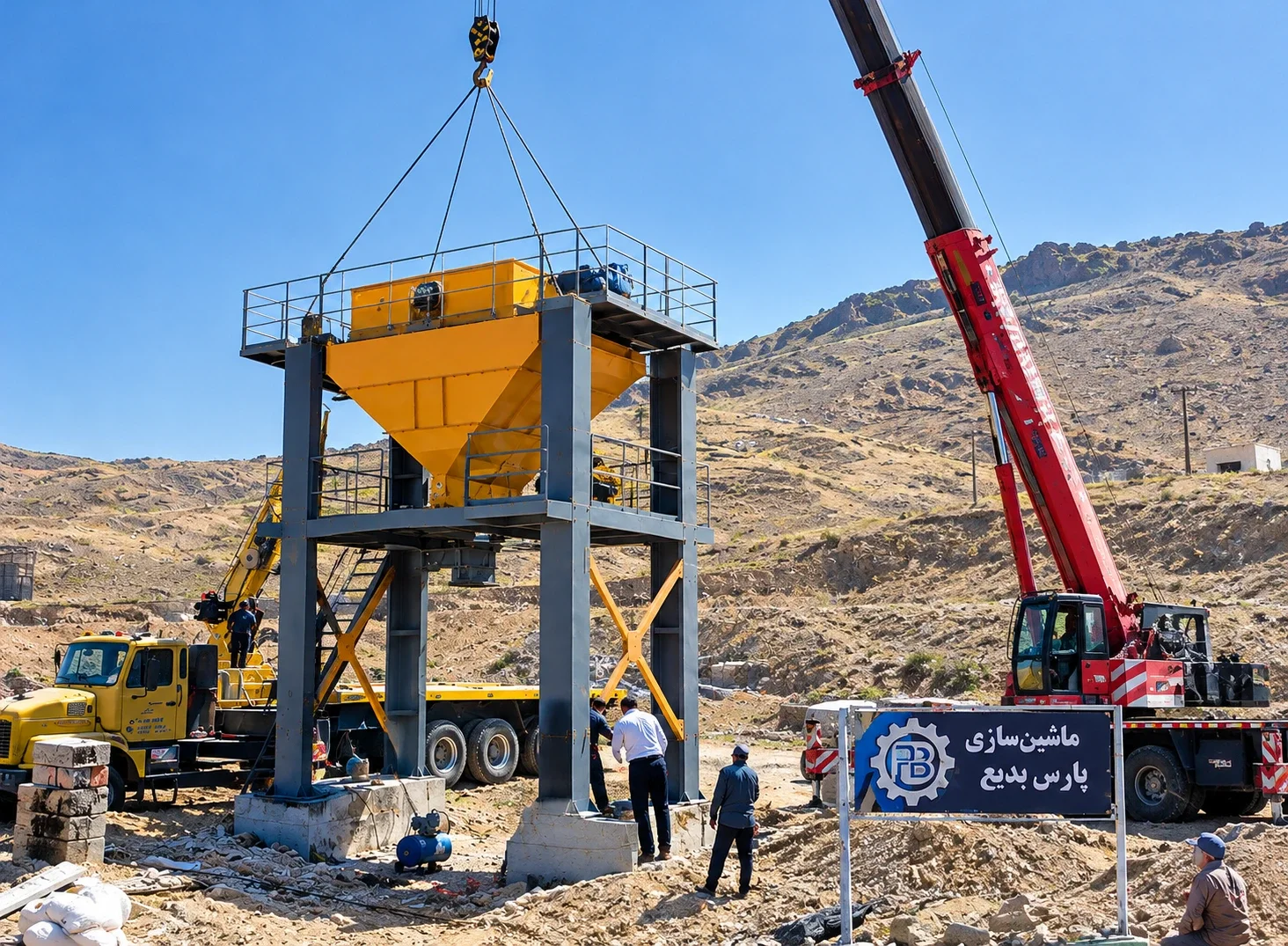
Asphalt Plant Installation and Commissioning: Stages, Equipment, and Key Considerations
Introduction
Asphalt plant installation and commissioning are important stages in road construction and asphalt production projects. Proper plant performance depends not only on equipment quality but also on site preparation, foundation work, correct assembly, electrical installation, control system configuration, and initial operational testing.
Following a structured installation and commissioning process can help improve safety, reduce technical issues, and support reliable plant operation. These activities should be performed in accordance with engineering drawings, equipment specifications, and project requirements.
Stages of Asphalt Plant Installation
1. Site Assessment and Preparation
The first stage involves evaluating the proposed installation site. Key considerations include available space, ground conditions, access for heavy machinery, truck movement, aggregate storage, and the space required for auxiliary equipment.
The locations of major plant components—including aggregate bins, the dryer, mixing tower, dust collection system, bitumen tanks, and material handling equipment—should be determined according to the plant layout.
Utility connections, fuel supply, electrical infrastructure, and exhaust gas discharge arrangements should also be considered during site preparation.
2. Foundation Work and Infrastructure Preparation
A suitable foundation provides stable support for asphalt plant equipment. Foundation dimensions and specifications must be determined according to engineering drawings, equipment loads, soil conditions, and structural requirements.
Before installation begins, the foundation surfaces, anchor bolt positions, concrete condition, and equipment support points should be inspected.
Foundation discrepancies can complicate assembly, introduce structural stresses, and affect equipment alignment. Therefore, the supporting infrastructure should be approved before equipment installation proceeds.
3. Installation of the Steel Structure and Main Equipment
Once the foundations are ready, the steel structure and main equipment can be installed. Cranes and appropriate lifting equipment are generally required for handling heavy components.
Depending on the plant configuration, the installation may include:
Steel structures and support columns
Aggregate bins and conveyor systems
Dryer and thermal processing equipment
Aggregate elevators and material handling systems
Vibrating screens and hot bins
Mixer and weighing systems
Asphalt storage silos
Bag filter and exhaust system
Bitumen tanks and thermal equipment
Installation sequences must follow the manufacturer’s instructions and approved construction drawings. Crane capacity, designated lifting points, weather conditions, and the safety of the lifting area must also be evaluated before each operation.
4. Installation of Material Handling Systems and Auxiliary Equipment
After the main equipment is positioned, the systems used to transfer aggregates, filler, bitumen, and other materials are installed and adjusted.
This stage includes checking material flow paths, conveyor alignment, elevator installation, connections, and the positioning of filler screw conveyors.
Adequate access for inspection, maintenance, and repairs should also be considered during installation.
5. Electrical Installation and Control System Configuration
The electrical and control systems coordinate many of the plant’s production processes.
This stage includes the installation and inspection of power and control panels, electrical cables, protective devices, sensors, weighing systems, and control connections.
Correct operation of these systems is essential for temperature management, material weighing, equipment coordination, burner control, and automated production sequences.
Before commissioning, grounding, cable connections, protective devices, and control system settings must be checked by qualified personnel.
6. Burner Installation and Thermal System Adjustment
The burner supplies the heat required to dry and heat aggregates.
After installation, the fuel connections, safety devices, combustion system, airflow, and coordination between the burner and dryer must be inspected.
Burner adjustment must follow the manufacturer’s instructions and account for the fuel type, equipment capacity, and operating conditions. Combustion performance, process temperatures, and safety functions should be checked before production begins.
Fuel systems and burners must be commissioned by qualified personnel in accordance with applicable safety requirements.
Asphalt Plant Commissioning Stages
Completing mechanical installation does not automatically mean that the plant is ready for production. Once mechanical and electrical work is complete, commissioning and functional testing can begin.
1. Pre-Commissioning Inspection
The installation, mechanical connections, drive systems, guards, electrical wiring, control panels, and safety equipment should be inspected.
Lubrication, gearbox condition, fasteners, and possible obstructions in equipment movement paths should also be checked.
2. Individual Equipment Testing
Before the entire plant is operated, individual components should be tested separately. These tests may include motor rotation, conveyor operation, elevator and screw conveyor performance, fan operation, weighing systems, and control equipment.
Individual testing helps identify potential problems before the complete production system is operated.
3. Control System Testing
Sensors, displays, weighing systems, control commands, and equipment operating sequences should be checked.
Alarms, emergency stops, and protective devices must also be tested in accordance with applicable safety procedures.
4. Initial Plant Operation
After the preceding checks have been completed, the plant can undergo an initial operational test in accordance with the manufacturer’s instructions and safety requirements.
This stage evaluates coordination between the dryer, burner, dust collection system, weighing equipment, mixer, and material handling systems.
Process temperatures, aggregate flow, equipment operation, and the performance of individual systems should be monitored by qualified personnel.
5. Trial Production and Quality Evaluation
Once equipment operation has been verified, trial production can be conducted to evaluate process coordination and product quality.
Key parameters include aggregate and bitumen temperatures, weighing accuracy, mixing time, mixture uniformity, and dust collection performance.
Final settings must comply with the mix design, plant specifications, and project requirements. Commercial production should begin only after the relevant tests confirm satisfactory equipment performance and compliance with safety requirements.
Important Considerations for Reliable Operation
The following measures can help reduce post-installation problems and unplanned downtime:
Following engineering drawings and manufacturer instructions
Inspecting foundations and structural connections
Checking the alignment of material handling equipment
Verifying weighing systems and completing required calibration
Testing the burner, dryer, and dust collection system
Inspecting safety devices and emergency stops
Training operators and maintenance personnel
Documenting installation, settings, and test results
Planning routine maintenance and spare parts availability
These measures can support reliable operation and simplify the transition to regular production.
The Role of the Manufacturer in Installation and Commissioning
Working with the equipment manufacturer during installation and commissioning is important. Familiarity with the plant design, equipment specifications, assembly sequence, and adjustment requirements can help prevent technical problems.
Engineering drawings, installation instructions, technical support, control system configuration, and operator training are among the services that can support a smoother commissioning and handover process.
Access to after-sales service and spare parts is also important for maintaining equipment performance after production begins.
Asphalt Plant Installation and Commissioning by Pars Badie
Pars Badie Machinery Co. specializes in the design, manufacturing, installation, and commissioning of asphalt plants. With technical expertise and experienced personnel, the company provides services related to equipment installation and preparation for operation in accordance with project specifications.
Asphalt plants should be selected and installed based on production capacity, site conditions, project requirements, and operating needs. Coordination between equipment design, infrastructure preparation, and control system configuration is essential for achieving suitable plant performance.
Pars Badie provides equipment and related technical services to support road construction projects and asphalt production requirements.
Conclusion
Asphalt plant installation and commissioning involve several technical stages, beginning with site assessment and foundation work, followed by mechanical installation, electrical connections, control system configuration, equipment testing, and trial production.
Careful execution, adherence to safety requirements, qualified personnel, and coordination with the manufacturer can help reduce technical problems and support reliable plant operation.
Selecting an appropriate manufacturer and obtaining installation and commissioning services that match the plant specifications are important considerations for successful asphalt production projects.