What Is an Asphalt Plant Screw Conveyor and How Does It Work?
What Is an Asphalt Plant Screw Conveyor and How Does It Work?
Introduction
A screw conveyor is a material-handling device used in asphalt plants to transfer powders and fine materials, such as filler, between designated sections of the plant. Proper operation helps maintain material flow and supports the overall performance of the production process.
Selecting a suitable screw conveyor requires consideration of the material characteristics, required conveying capacity, installation conditions, and operating environment. An incorrectly specified or poorly maintained unit may reduce conveying efficiency and disrupt plant operation.
How Does a Screw Conveyor Work?
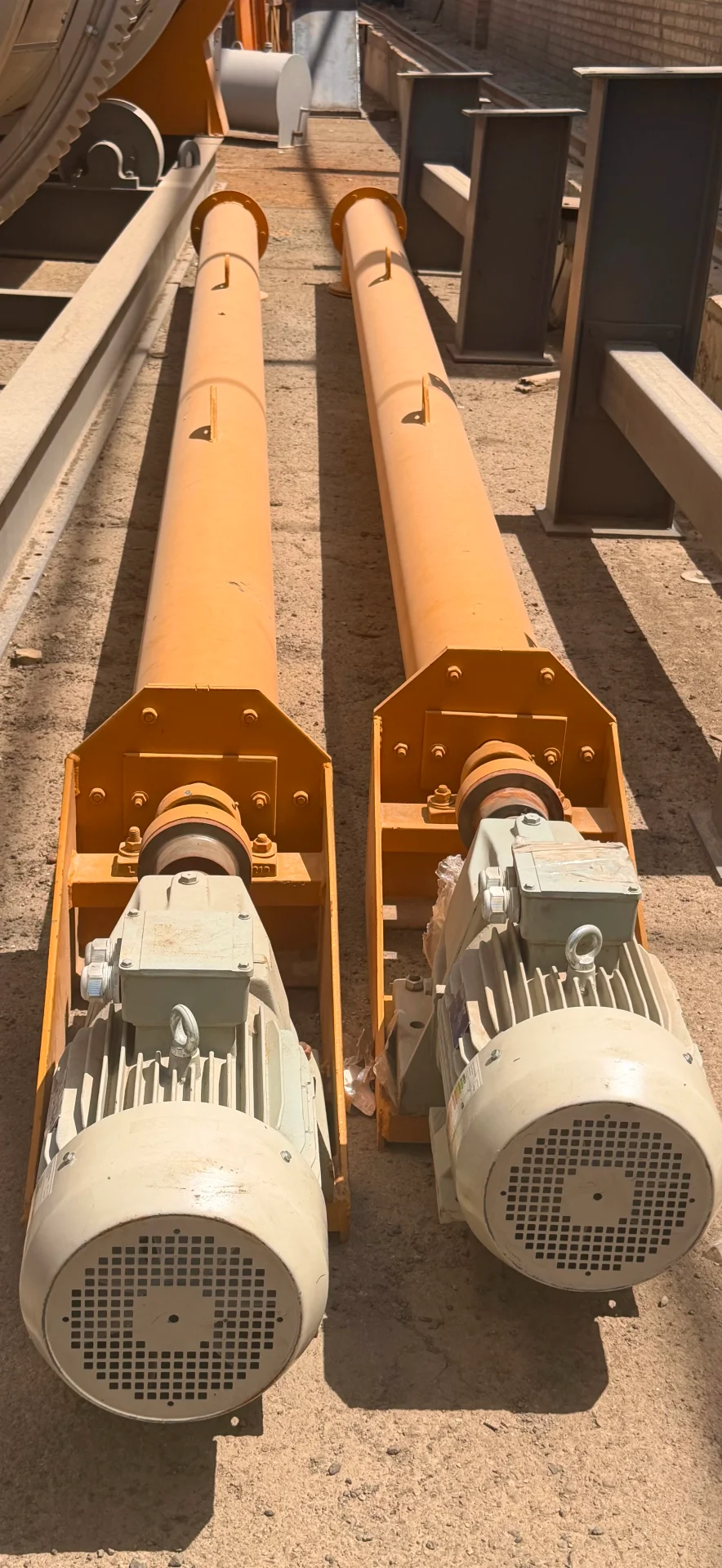
A screw conveyor generally consists of a rotating shaft fitted with helical flights inside a trough or enclosed housing. As the shaft rotates, the flights move the material along the conveying path toward the discharge point.
The shaft is driven by a motor and a power-transmission assembly, typically including a gearbox where required. Conveying capacity and operating performance depend on factors such as screw diameter, flight pitch, rotational speed, material properties, and installation conditions.
Depending on the design, screw conveyors can operate horizontally, on an incline, or vertically in certain specialized applications. Inclination and material characteristics can affect conveying capacity and power requirements.
Applications of Screw Conveyors in Asphalt Plants
Screw conveyors can serve several purposes in an asphalt plant, depending on its configuration and equipment layout.
1. Filler Conveying
One important application is conveying filler and fine powder. Where the plant design allows, filler collected by the dust-collection system can be transferred by a screw conveyor to a designated storage point or another specified stage of the production process.
2. Powder Handling
Screw conveyors can also move certain powdered and fine-grained materials between equipment units. The conveyor design should match the material’s particle size, moisture content, abrasiveness, temperature, and required conveying rate.
3. Supporting Continuous Plant Operation
Reliable material transfer helps coordinate different sections of an asphalt plant. For this reason, the screw conveyor’s capacity and drive system should be matched to the requirements of the production line.
Main Components of a Screw Conveyor
The exact configuration varies by application and manufacturer, but a screw conveyor commonly includes the following components:
Shaft and helical flights: Move the material along the conveying path.
Trough or housing: Contains the material and supports the conveying assembly.
Motor and gearbox: Provide the power required to rotate the screw.
Bearings and supports: Support the shaft and facilitate proper rotation.
Material inlet and outlet: Provide the entry and discharge points.
Seals and connections: Help limit material leakage and protect mechanical components, depending on the design.
Material quality, manufacturing accuracy, and correct assembly all influence the conveyor’s performance and service life.
Factors to Consider When Selecting an Asphalt Plant Screw Conveyor
Several factors should be evaluated when selecting a screw conveyor.
Conveying capacity: The unit must handle the required material flow rate.
Material characteristics: Particle size, bulk density, moisture content, abrasiveness, and corrosiveness can affect the design.
Conveyor length and inclination: The conveying distance and installation angle influence capacity, power requirements, and material movement.
Operating temperature: High-temperature applications may require suitable materials, bearings, seals, and other components.
Motor and gearbox capacity: The drive assembly must be compatible with the expected load and starting conditions.
Maintenance access: The design should allow practical inspection, servicing, and replacement of wear components.
Asphalt Plant Screw Conveyor Maintenance
Regular inspection and preventive maintenance can reduce unexpected failures and extend service life. Recommended checks include:
Inspecting the motor, gearbox, and drive connections
Checking bearings for unusual noise, vibration, or temperature
Examining the flights and housing for wear
Inspecting seals and joints for material leakage
Checking for material buildup or blockages
Lubricating bearings according to the manufacturer’s instructions
Checking shaft alignment and support conditions
Before carrying out maintenance or removing protective covers, the equipment must be safely stopped and its energy sources isolated in accordance with the applicable safety procedures.
Common Screw Conveyor Problems
Reduced conveying capacity, unusual noise, increased motor load, and blockages are potential operating problems.
Possible causes include excessive material feed, material buildup, worn flights, bearing damage, unsuitable installation conditions, or an incorrectly selected drive system. Proper diagnosis requires inspection of the equipment and its operating conditions, since the same symptom may have several possible causes.
Conclusion
A screw conveyor is a useful component of an asphalt plant’s material-handling system. When correctly selected and maintained, it supports the controlled transfer of powders and fine materials. Conveying capacity, material properties, installation conditions, manufacturing quality, and regular maintenance are all important to reliable performance.
Pars Badie Machinery specializes in the design and manufacture of asphalt plant equipment. Material-handling equipment should be selected according to the plant’s production capacity, material requirements, and project specifications.