
What is a turbo jet burner in an asphalt plant and how does it work?
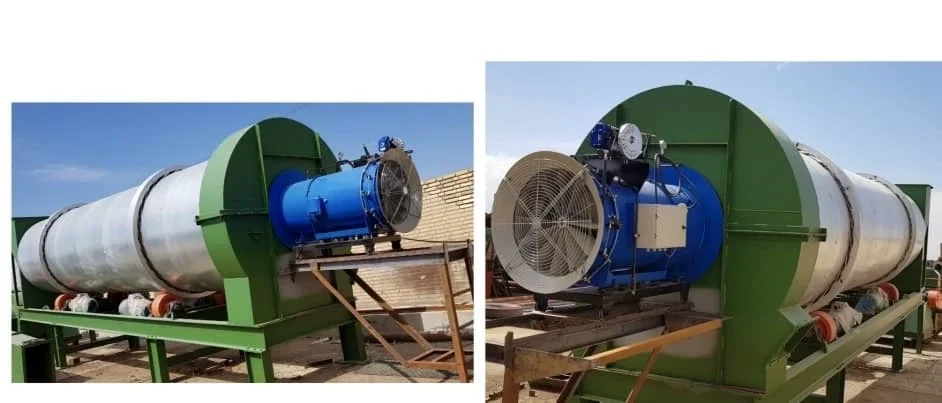
What Is a Turbo Jet Burner in an Asphalt Plant and How Does It Work?
Introduction
The burner is an important component of an asphalt plant and is responsible for supplying the heat required to dry and heat aggregates. A Turbo Jet burner provides the necessary heat through the controlled combustion of fuel and air, allowing efficient heat transfer to the dryer.
Proper burner operation can contribute to uniform aggregate heating, thermal efficiency, and reliable asphalt plant performance.
How Does a Turbo Jet Burner Work?
A Turbo Jet burner combines fuel and combustion air to generate a stable flame and provide the heat required by the dryer. The flame is positioned at the dryer inlet, allowing its thermal energy to be transferred to the aggregates.
The fuel and airflow should be properly adjusted according to the operating conditions and system capacity to achieve efficient combustion and heat transfer.
The Role of the Burner in an Asphalt Plant Dryer
The dryer is responsible for drying and heating the aggregates, while the burner provides the main heat source for this process. The performance of these two components is closely connected, and improper burner adjustment can reduce thermal efficiency or increase fuel consumption.
For this reason, selecting a burner that matches the dryer capacity and operating conditions is important.
Main Components of a Turbo Jet Burner
A Turbo Jet burner consists of several mechanical, fuel-supply, and control components. The main components may include:
● Fuel supply and delivery system
● Combustion air fan
● Burner chamber and nozzle
● Ignition system
● Flame monitoring system
● Valves and control equipment
● Control and safety system
Proper coordination between these components helps maintain a stable flame and reliable burner operation.
The Importance of Fuel-to-Air Ratio
One of the key factors affecting burner performance is the proper balance between fuel and combustion air. An incorrect fuel-to-air ratio can affect combustion quality, fuel consumption, and heat transfer.
Proper adjustment of the combustion system helps provide the required dryer temperature and supports more uniform aggregate heating.
Dryer Temperature Control
Controlling the dryer temperature is an important part of the asphalt production process. The plant control system can monitor temperature information and manage burner operation to maintain the required process temperature within the appropriate range.
Accurate temperature control can help maintain stable production conditions while reducing unnecessary energy and fuel consumption.
Turbo Jet Burner Maintenance
Regular inspection and maintenance are essential for maintaining reliable burner performance. The burner nozzle, ignition system, fan, fuel supply equipment, connections, and flame-control system should be inspected periodically.
Keeping the burner components clean and checking the combustion system regularly can also help maintain efficiency and prevent potential operational problems.
Selecting the Right Burner for an Asphalt Plant
Dryer capacity, fuel type, operating conditions, and plant production capacity are among the factors that should be considered when selecting a burner.
Using a burner that is properly matched to the dryer specifications can help provide the required heat and maintain stable system performance.
Conclusion
The Turbo Jet burner is a key component of an asphalt plant and provides the heat required for the dryer. Proper burner adjustment, fuel and air control, temperature monitoring, and regular maintenance can contribute to better thermal efficiency and reliable plant operation.
Selecting a burner that is properly matched to the dryer capacity and operating conditions is an important consideration when designing and operating an efficient asphalt production system.