
Asphalt Plant Vibrating Screen: Function and Components | Pars Badie
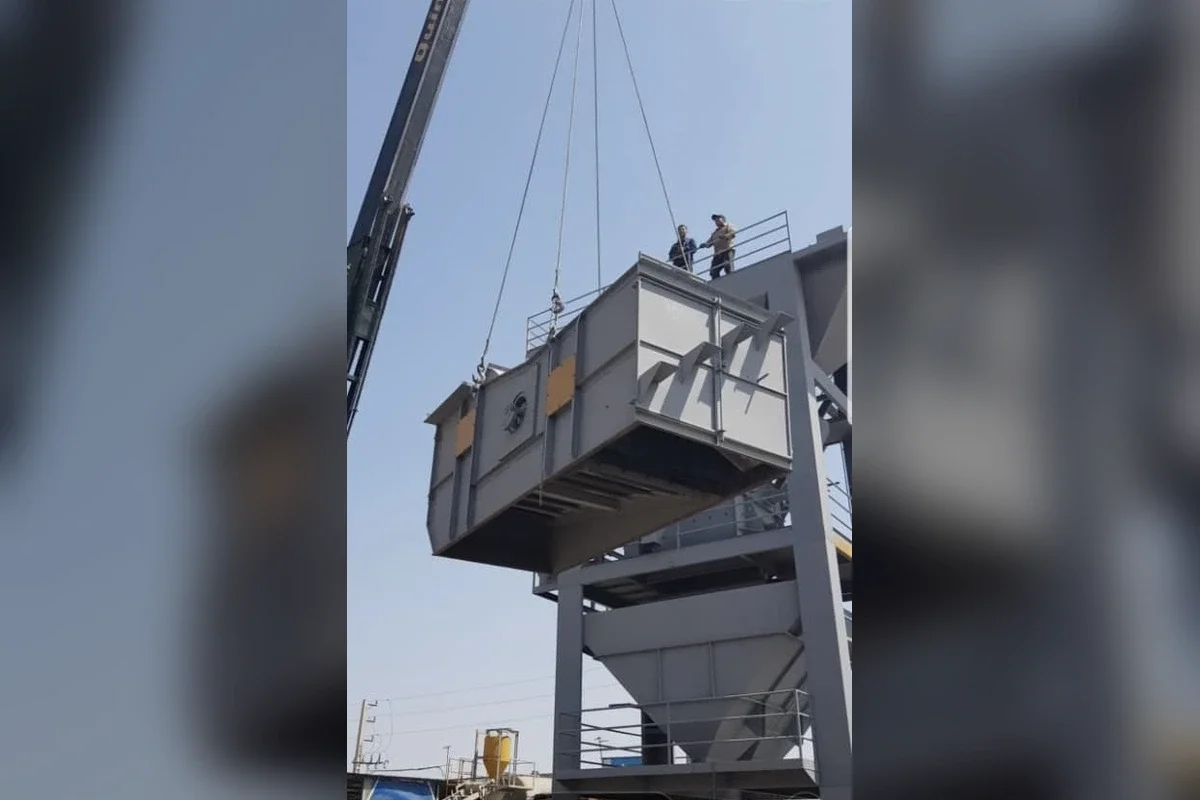
What Is an Asphalt Plant Vibrating Screen? Function, Components, and Importance in Aggregate Sizing
Introduction
A vibrating screen is an important component of an asphalt batch plant. Its main function is to separate and classify aggregates according to particle size. Proper aggregate grading is an important factor in producing asphalt mixtures that meet the required mix design specifications.
In an asphalt batch plant, aggregates are typically dried and heated in the dryer before being conveyed to the screening section. The vibrating screen uses decks with openings of specified sizes to separate the aggregates into different size fractions. Each fraction is then directed to its corresponding hot bin.
How Does an Asphalt Plant Vibrating Screen Work?
An asphalt plant vibrating screen generally consists of a vibrating assembly fitted with screening decks. As the material moves across the screen, vibration helps distribute the aggregates over the screening surface. Particles smaller than the openings can pass through, while larger particles remain on the deck until they reach the appropriate discharge point.
In an asphalt batch plant, heated aggregates from the dryer are delivered to the screen and separated into different size fractions. These fractions are then conveyed to the corresponding hot bins.
This process helps control the aggregate composition before the materials are weighed and mixed. The plant can then combine the required quantities of different aggregate sizes according to the specified mix design.
Screening performance depends on several factors, including screen design, opening size, vibration characteristics, feed rate, and aggregate properties.
Main Components of an Asphalt Plant Vibrating Screen
An asphalt plant vibrating screen consists of several main components. Their design and condition affect screening accuracy, operating reliability, and production capacity.
1. Screen Body and Supporting Frame
The screen body and supporting frame form the main structure of the equipment. They support the screening assembly and other components.
The structure must be designed to withstand the forces generated during vibration and the operating conditions of the plant. Structural strength, connection quality, and correct installation are important for reliable operation.
2. Screening Meshes
The screening meshes separate aggregates according to particle size. The opening dimensions determine which particles can pass through each deck and which remain on the screening surface.
The number of decks and their opening sizes are selected according to the plant capacity, required aggregate grading, and overall production line design.
3. Vibration System
The vibration system generates the movement required to distribute aggregates across the screening decks. This movement gives particles repeated opportunities to pass through the appropriate openings.
Correct vibration characteristics are important for effective separation and stable operation.
4. Motor and Drive Components
Depending on the design, the motor and drive assembly provide the power required to operate the vibration system. These components must be selected to match the screen specifications and operating conditions.
5. Springs and Supporting Components
Springs and other supporting components help control the movement of the vibrating assembly and manage the forces generated during operation. Their condition should be checked during routine inspections.
6. Aggregate Discharge Outlets
The discharge outlets direct separated aggregate fractions toward the appropriate conveying routes or hot bins. Proper outlet design helps maintain material flow and reduce spillage.
Why Is Screening Important in an Asphalt Batch Plant?
In an asphalt batch plant, screening prepares aggregates for the weighing and mixing stages. If the aggregates are not separated effectively, controlling the proportions of different particle sizes becomes more difficult.
Appropriate aggregate grading helps produce a mixture that more closely matches the specified mix design. For this reason, the screen must operate in coordination with the dryer, elevator, hot bins, and weighing system.
A vibrating screen alone cannot guarantee the quality of the finished asphalt. It is one component of an integrated production system in which the performance of each stage contributes to the final product.
Asphalt Plant Screens vs. Conventional Screening Equipment
A screen used in an asphalt batch plant must be suitable for the specific temperature, capacity, and material conditions of the application. The aggregates entering the screen have generally been heated in the dryer, so the screening meshes and related components must be appropriate for the thermal and abrasive conditions.
The number of decks, mesh openings, and screening capacity must also match the plant design and the arrangement of its hot bins.
Screens used in other industries may be designed for cold aggregates, minerals, or different materials and operating conditions. Therefore, equipment selection should be based on the intended application and project specifications.
Factors Affecting Screening Performance
Several factors can affect the performance of an asphalt plant vibrating screen. The most important include:
Screen condition: Blocked, damaged, or worn meshes can reduce separation accuracy.
Vibration characteristics: Inappropriate vibration may affect material distribution and screening efficiency.
Feed rate: Feeding the screen beyond its design capacity can reduce the time available for effective separation.
Aggregate properties: Moisture, particle shape, and material behavior can influence screening performance.
Aggregate temperature: The equipment must be suitable for the thermal conditions at the installation point.
Adjustment and maintenance: Regular inspection and servicing help maintain consistent operation.
Monitoring these factors can help reduce production interruptions and maintain the required aggregate grading.
Maintenance of an Asphalt Plant Vibrating Screen
Routine inspection is essential for identifying potential problems and maintaining reliable operation. Maintenance procedures should include checking the screening meshes, connections, springs, drive system, and vibration components.
Operators should also pay attention to unusual noise, abnormal vibration, loose connections, and changes in screening performance.
Cleaning the screening surfaces, replacing worn meshes, inspecting moving components, and following the manufacturer’s maintenance instructions can help improve equipment reliability.
Before any repair or maintenance work, the equipment must be stopped and isolated from its energy sources in accordance with applicable safety procedures.
Choosing the Right Screen for an Asphalt Plant
Selecting a suitable screen depends on factors such as plant capacity, aggregate characteristics, required grading, number of decks, mesh opening sizes, and operating conditions.
A screen selected to match the plant design can support effective aggregate separation, proper hot-bin operation, and better control of aggregate proportions during the weighing stage.
Pars Badie Machinery Co. specializes in the design and manufacture of asphalt batch plants and related equipment. Screen selection and design should take the project’s technical specifications and production requirements into account to ensure proper coordination between plant components.
Conclusion
The vibrating screen is a key component in the aggregate sizing process of an asphalt plant. By using screening meshes and vibration, it separates aggregates according to particle size and prepares them for transfer to the hot bins.
Appropriate design, correct mesh selection, suitable vibration settings, and regular maintenance all contribute to reliable screen performance. When operating in coordination with the other plant components, the screen helps maintain aggregate grading and supports the production of asphalt mixtures that meet the specified mix design.