What Is an Asphalt Plant? Complete Guide to Types, Components & Working Process
What Is an Asphalt Plant? A Complete Guide to Types, Components, and Working Principles
What Is an Asphalt Plant?
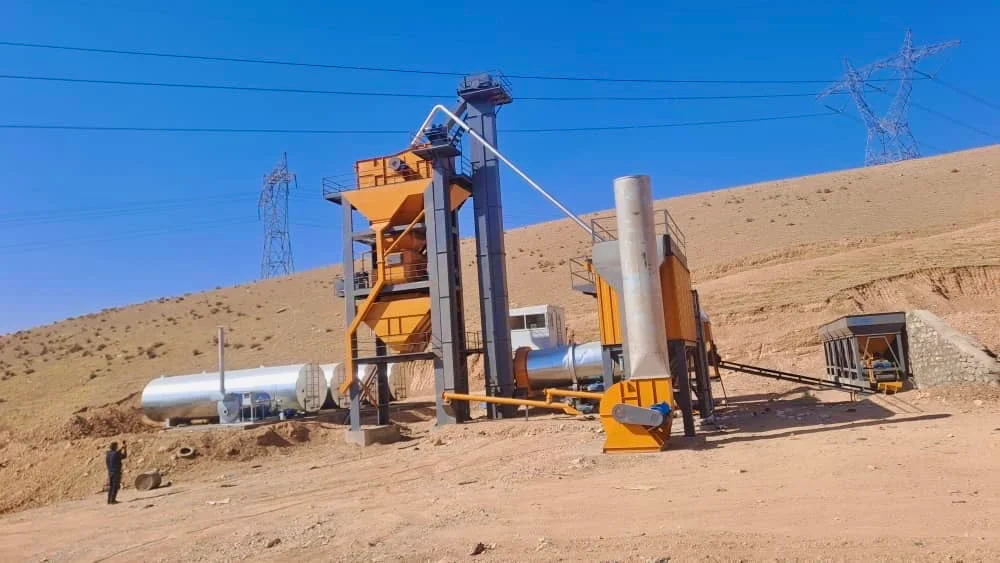
An asphalt plant is an industrial facility designed to produce hot mix asphalt (HMA) used in road construction, highways, airports, urban streets, and various infrastructure projects.
Inside the plant, aggregates, mineral filler, and bitumen are accurately proportioned, heated, and mixed under controlled conditions to produce high-quality asphalt.
Modern asphalt plants offer higher production efficiency, lower fuel consumption, improved environmental performance, and consistent asphalt quality.
Main Components of an Asphalt Plant
A standard asphalt plant typically consists of the following components:
Cold Aggregate Bins
Aggregate Conveyor Belts
Rotary Dryer
Turbo Jet Burner
Multi Cyclone Dust Collector
Bag Filter
Aggregate Elevator
Filler Elevator
Vibrating Screen
Hot Aggregate Bins
Asphalt Mixer
Weighing Hopper
Hot Mix Storage Silo
Oil Heater
Bitumen Flux Unit
Control Cabin
Electrical Power & Control Panel
Each component plays a vital role in ensuring efficient production and high-quality asphalt.
How Does an Asphalt Plant Work?
The asphalt production process generally includes the following steps:
Feeding aggregates into the cold aggregate bins.
Transporting aggregates via conveyor belts.
Drying and heating the aggregates inside the rotary dryer.
Collecting dust through the multi cyclone and bag filter.
Screening the heated aggregates according to size.
Storing the graded aggregates in the hot bins.
Accurately weighing aggregates and mineral filler.
Adding heated bitumen.
Mixing all materials thoroughly in the mixer.
Transferring the finished asphalt to the storage silo.
Types of Asphalt Plants
Asphalt plants are manufactured in different capacities to meet various project requirements.
Common production capacities include:
80 TPH Asphalt Plant
120 TPH Asphalt Plant
160 TPH Asphalt Plant
240 TPH Asphalt Plant
Selecting the appropriate capacity depends on project size, production demand, and operational requirements.
Advantages of Modern Asphalt Plants
Consistent asphalt quality
Optimized fuel consumption
Reduced environmental emissions
High weighing accuracy
Continuous and reliable production
Easy maintenance
Long equipment service life
Why Choose Pars Badie?
With more than half a century of experience, Pars Badie Machinery specializes in the design, manufacturing, installation, and commissioning of asphalt plants, concrete batching plants, and related industrial equipment.
Backed by experienced engineers, modern manufacturing facilities, and comprehensive after-sales services, Pars Badie delivers reliable, efficient, and cost-effective solutions for road construction and infrastructure projects throughout Iran and neighboring countries.
Conclusion
Choosing the right asphalt plant significantly affects production quality, operational efficiency, and long-term project costs.
Whether you are planning to establish a new asphalt production facility or upgrade your existing equipment, selecting a trusted manufacturer is essential.
If you need professional consultation or would like to learn more about Pars Badie’s asphalt plants, our experts are ready to help you find the most suitable solution for your project requirements.